The Unami Project is intricately Swati—built on the foundational principle of kubumbana: being moulded together to take shape as a community that builds each other up.
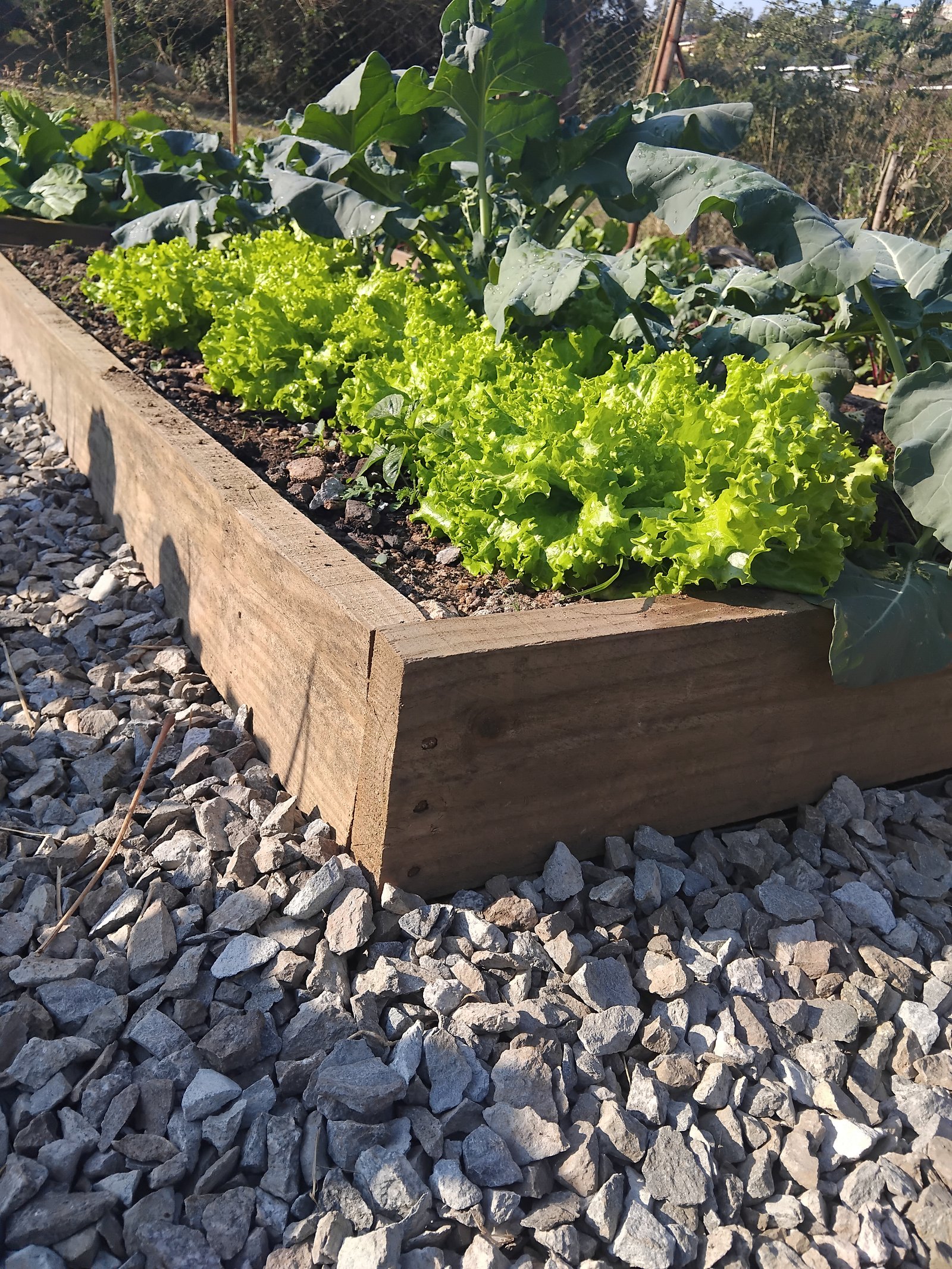
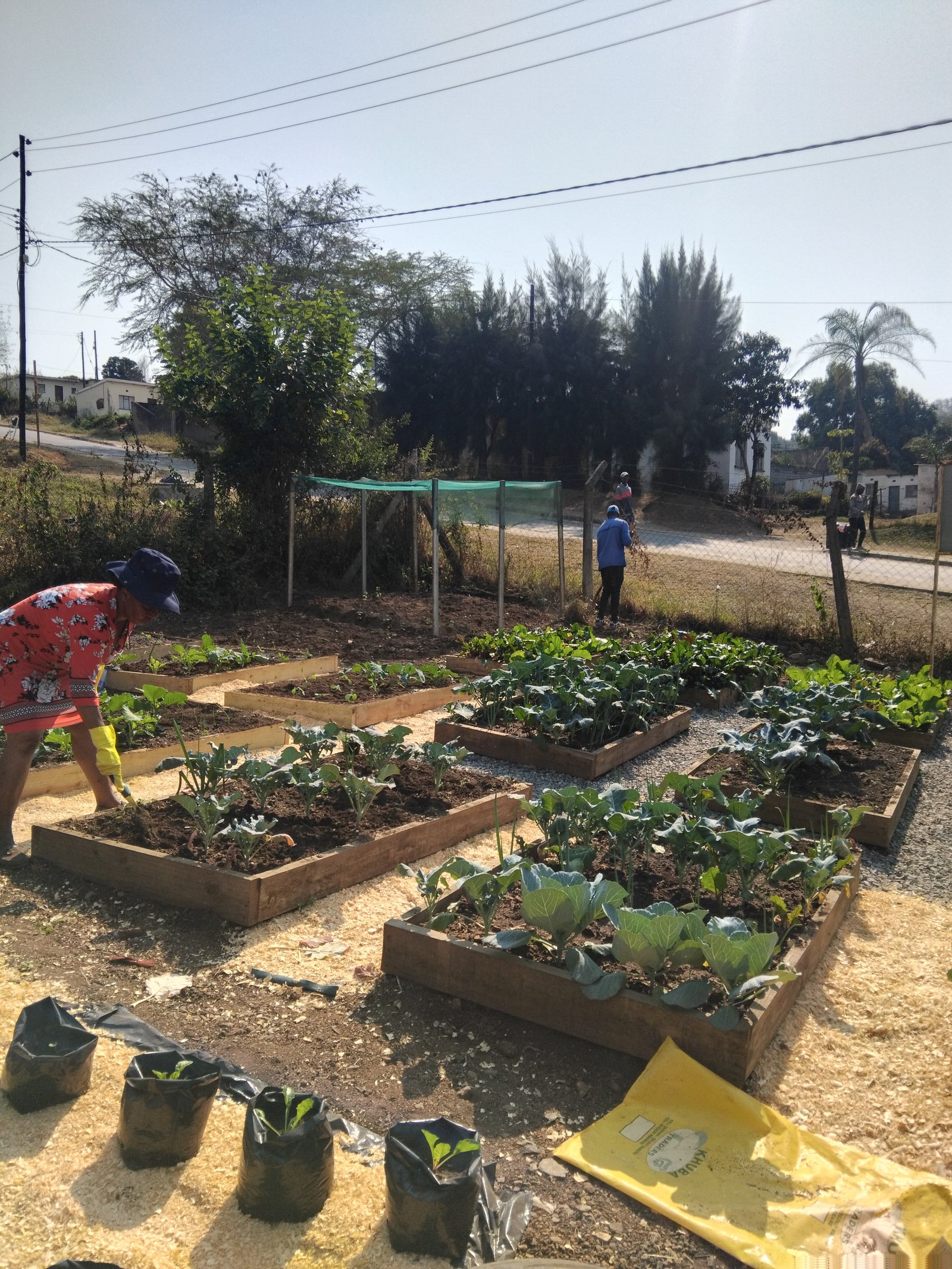
Operating as a climate-smart agriculture learning hub at the Ngwane Park Care Point for orphaned and vulnerable children, with plans to expand across Eswatini, we are transforming child nutrition. Where feeding programs once prioritised full bellies over healthy bodies, we are changing that standard by growing fresh, nutrient-dense produce.
Beyond our care point kitchen, we capacitate families with green skills to unlock entrepreneurial opportunities and put literal food on the table. In a landscape where urban poverty sits at 25.4%—affecting 1 in 4 people—we are turning local soil into sustainable independence and shared dignity.
The Unami Project operates at the intersection of child welfare and climate-smart agriculture, transforming care points into community-powered learning hubs.
Our model serves two critical purposes:
Restoring Nutrition for Vulnerable Children
As funding pressures grow, feeding programmes often prioritise full stomachs over balanced nutrition. We are changing that — integrating fresh, diverse, climate-resilient crops to support healthier childhood development.
Building Skills for Household Resilience
Each hub functions as a hands-on classroom where community members learn how to grow food in small urban spaces using low-cost, low-tech methods. By lowering barriers to entry, we empower families to reduce food expenses and strengthen their independence.
We don't just build infrastructure — we build capacity, ownership, and community.
What We Promote:
"In a land as naturally fertile as ours, no child or adult should ever go to bed hungry. While an ever-changing climatic landscape has worsened that reality, we hold the power to turn the tide — by placing the knowledge, tools, and skills to grow food directly back into the hands of our people."
Supplying fresh produce directly to care point kitchens to ensure vulnerable children have nutrient-rich diets.
Teaching techniques like mulching, drip irrigation, and drought-resistant crop selection to combat climate change.
Turning small urban spaces into productive food systems through innovative, low-cost growing solutions.
Meals Supported
Children in Feeding Scheme
Learning Hub
Discover how our Ngwane Park hub adapted to a warm, dry winter using agroecological pest control (garlic & chilli), grow bags, and staggered planting to serve thousands of meals.
Whether you want to volunteer, donate, or learn more about setting up a garden, we'd love to hear from you.